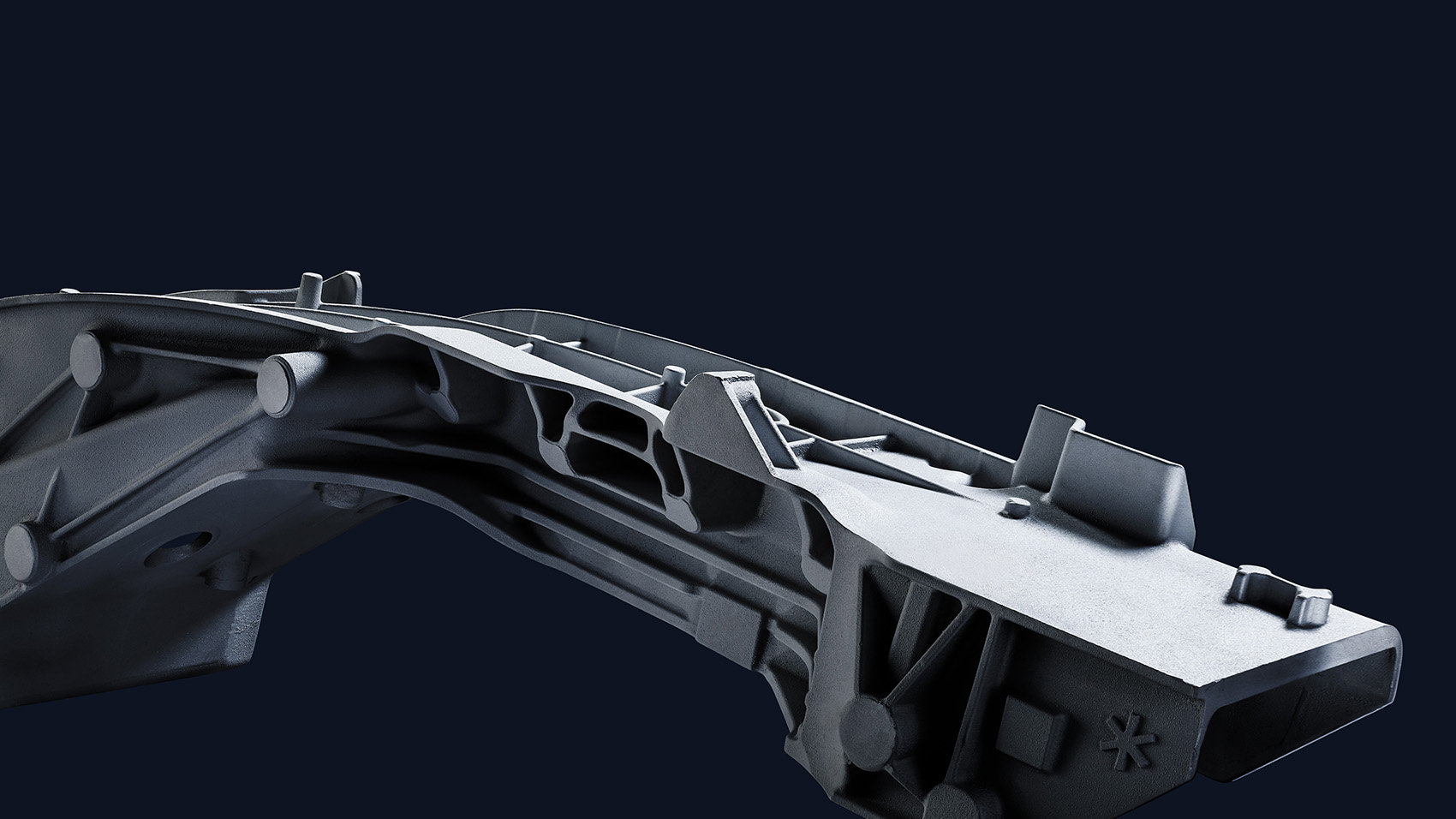
An global automotive OEM recently declared Sarginsons work on Digital Twin Simulations as 'the most significant advance in casting technology for over 30 years'. This epitomises Sarginsons strategy of being the global leader in casting technology as a means of fully exploiting the inherent plasticity of liquid metal. Casting technology that, by minimising mass, cost and timelines whilst maximising mechanical performance, creates a real world advantage for customers and foundry alike.
For Sarginsons, creating digital twin simulations, which predict TYE mechanical performance at any point of a casting, initiated a whole cast of new technologies. Everything from Topological Optimisation, Designed Deformation and Smart Cooling through to eAlloy development and Iterative design. And all while being able to export this data to OEM's hexa/ tet meshes for FEA s.
Sarginsons unique technology fully exploits the fluidity of liquid metal.
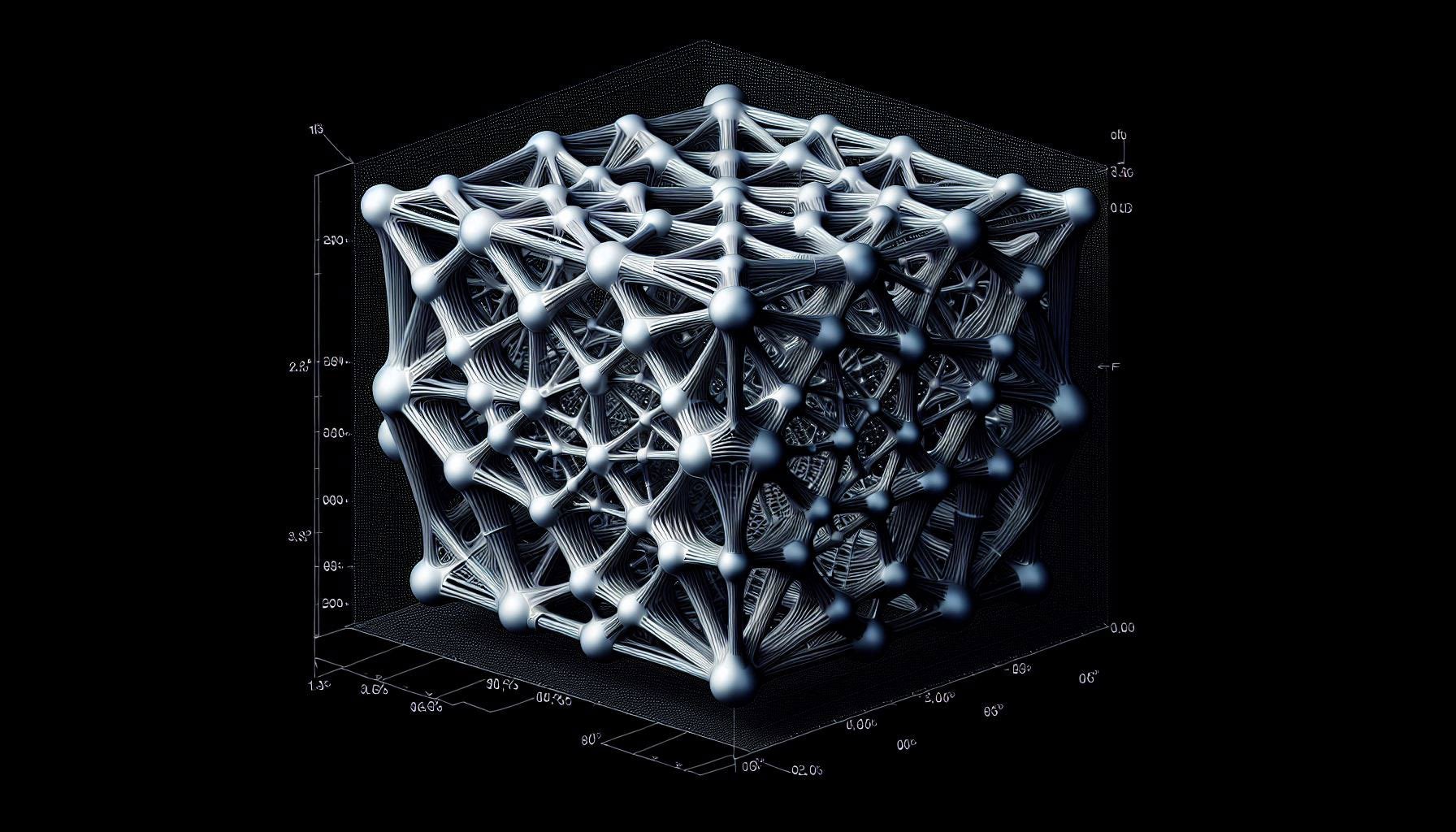
Sarginsons has achieved a pivotal advance in casting simulation by developing proprietary methods to map spatially heterogeneous variable mechanical properties; specifically Tensile strength, Yield strength, and Elongation directly onto finite element analysis (FEA) meshes.
This enables high-fidelity, spatially resolved, dynamic simulations of full-vehicle crashworthiness, structural performance, and fatigue behaviour under realistic loading conditions.
In contrast, conventional simulations of cast aluminium components typically apply homogenized material models, which inherently overlook local microstructural variations.
This is available as a stand alone service and is recommended for all structural castings.
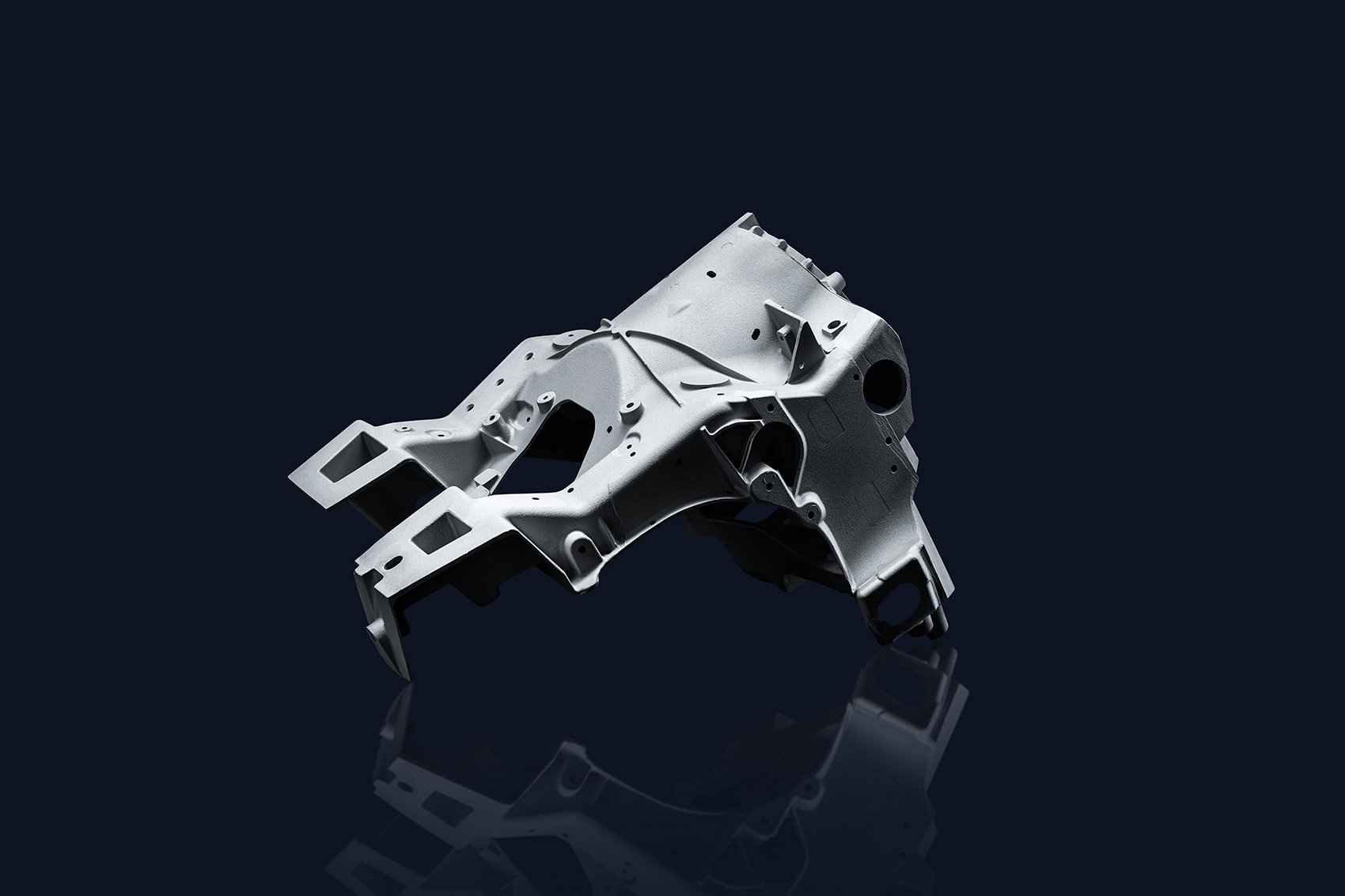
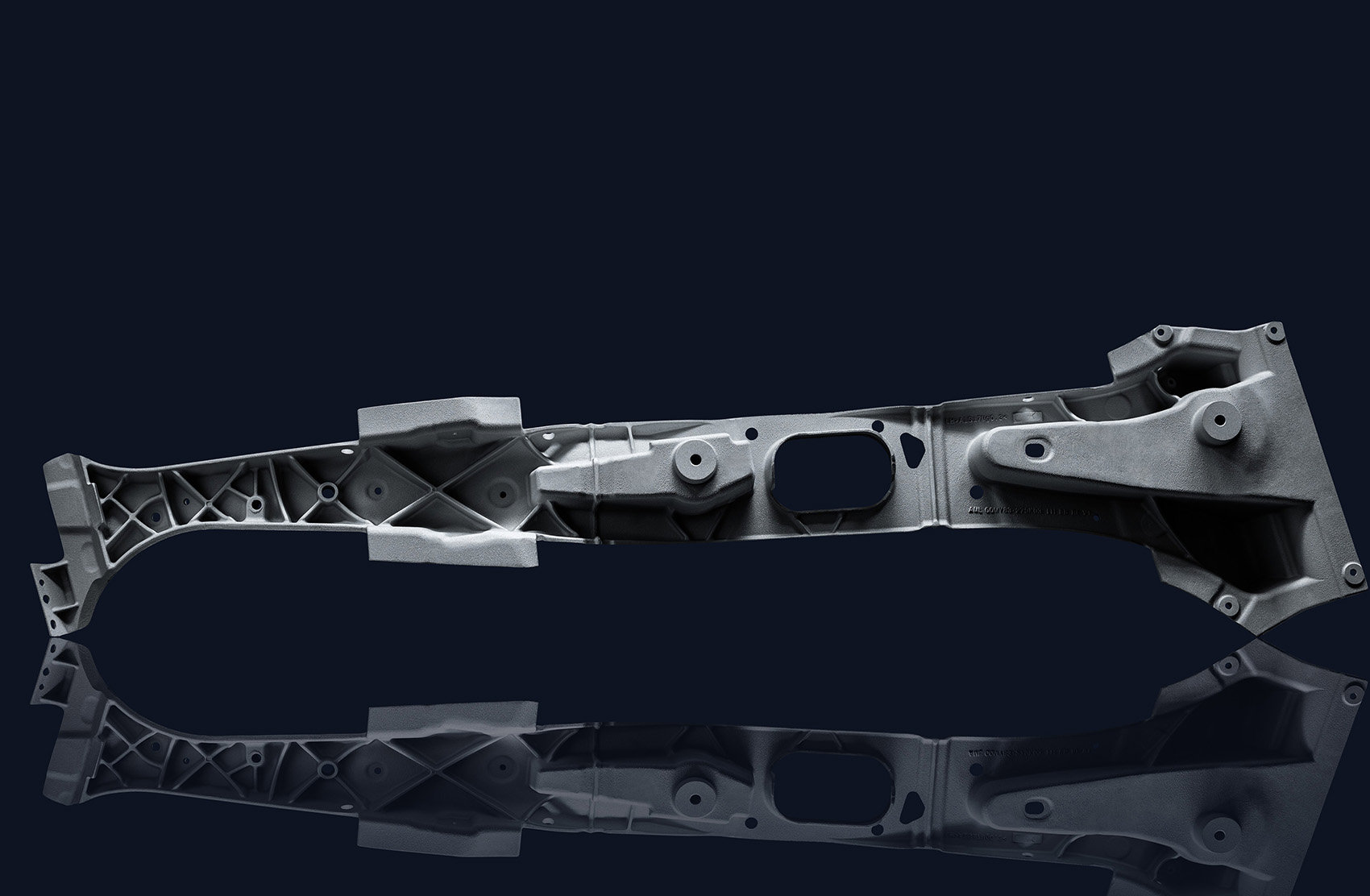
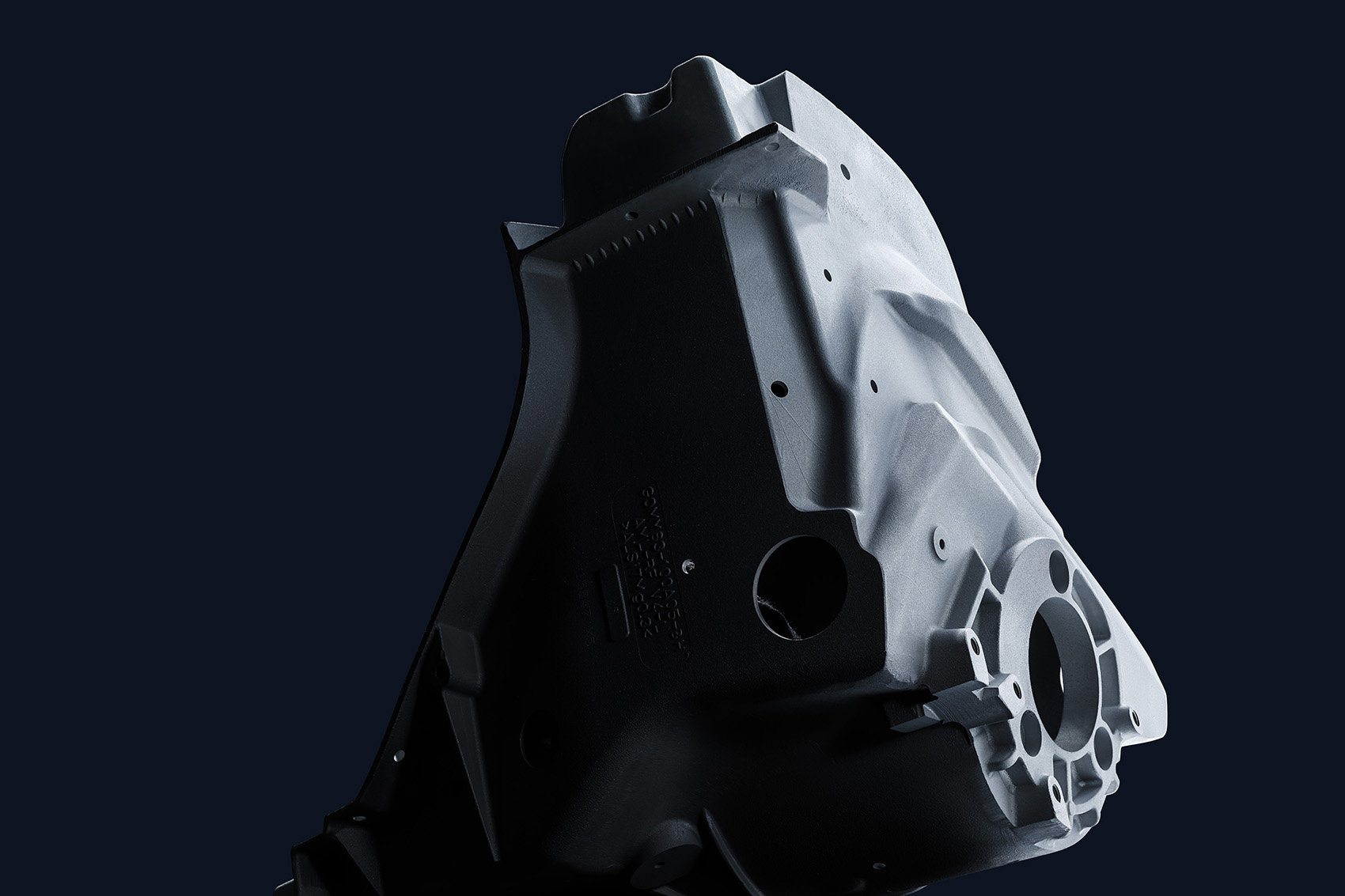
Digital Twins uses thermal history and material models to create a 3D TYE property map at all locations across a cast components form. This data can then be exported to FEA meshes for dynamic testing to show under load performance. Sarginsons is the only company doing this.
It cannot be overstated how Sarginsons ability to create accurate Digital Twin Simulations will change the diecasting world. For the first time, casting performance can be understood at the design phase which totally de-risks projects, informs lightweighting and compresses time to manufacture.
Every structural casting should run a Sarginsons Digital Twin Simulation. There's nothing else close to it.
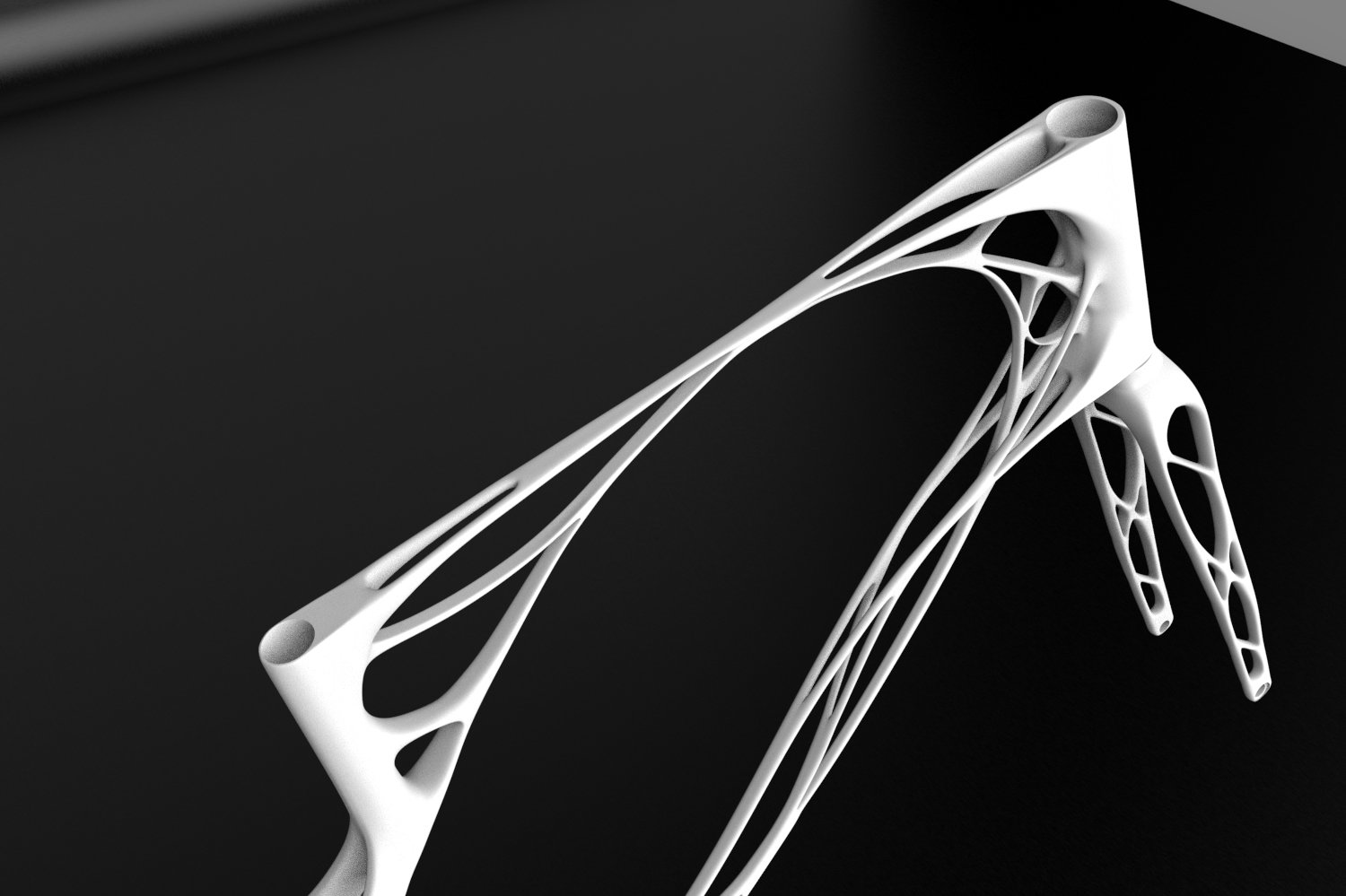
Topological optimisation is, effectively, the math of lightweighting; minimising mass for a defined design space under given constraints. And it's a process that's never been fully applied to castings, despite them being natural bed fellows.
The mass reductions available in almost any cast component are massive, up to 40% with an improvement in mechanical performance.
It cannot be overstated how fundamentally this will transform the potential of the casting industry.
Solidification simulation software is standard at most foundries, but few recognise the imperfections and nuances of the different approaches each take; fewer still seek to use these variations to gain advantage.
Sarginsons combines three different solidification packages, each with their own particular strengths, with five years of datasets specifically developed through testing and its own simulations. The result is a multi-faceted solidification study, that provides an enhanced view of potential casting issues, enabling earlier problem resolution, better castings and lower costs.
The better the solidification study, the better the casting.
Another Sarginsons innovation, and the key to Freeform Casting, is the use of innovative tool fabrication techniques, such as 3D printed cooling channels, to target areas of stress to refine cast grain structures without expensive additives or by increased component mass.
This radical new approach means that almost any component design becomes castable, massively increasing the flexibility and potential of cast components which, in turn, transform the cost dynamics of their creation and performance.
Intelligent tooling exploits the fluidity of liquid metal.
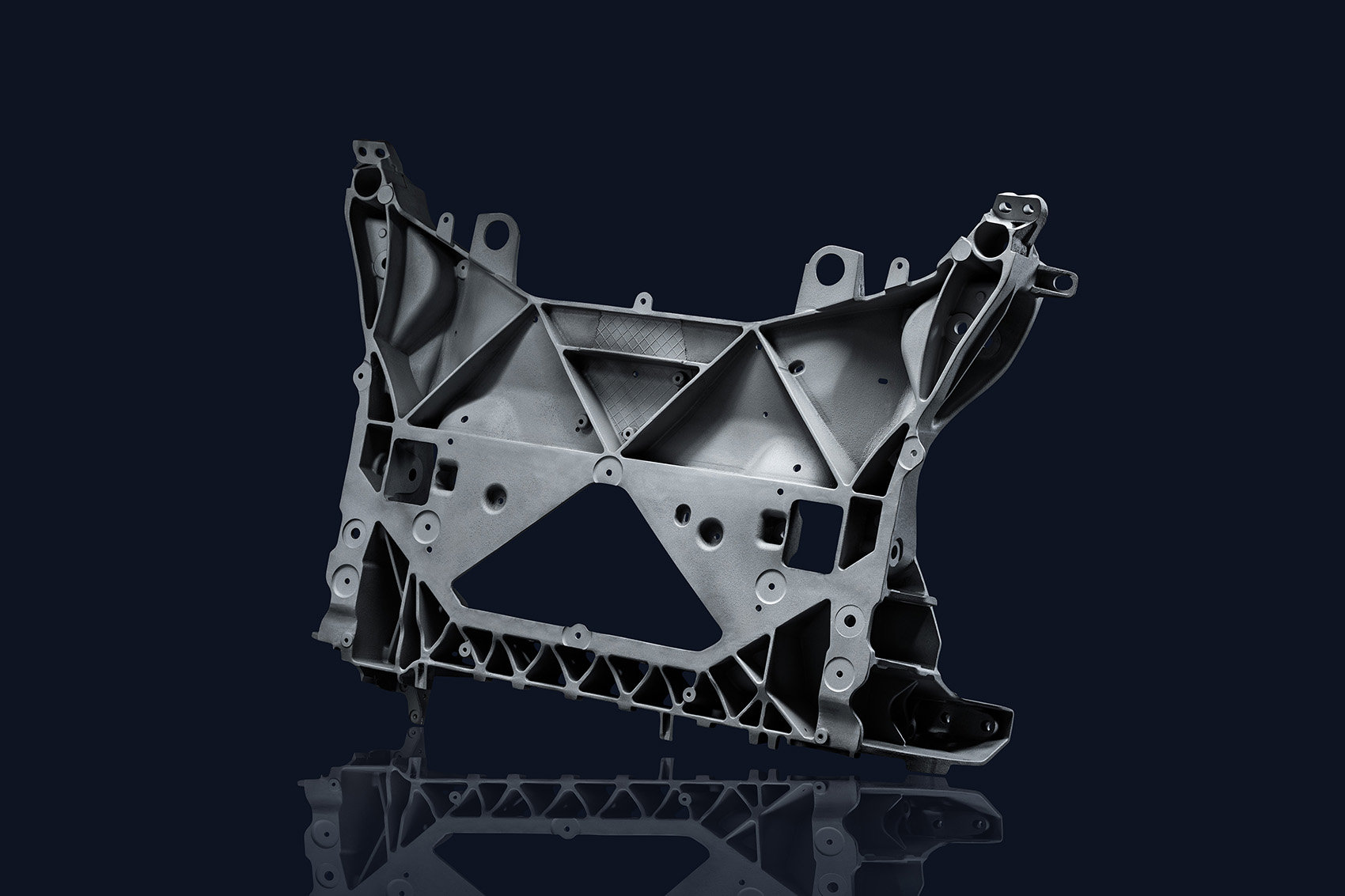
Sarginsons avoids heat treatment distortion through intelligent tool design, alloy selection and targeted cooling by simulating potential distortion before it finalises tool design. When unavoidable, Sarginsons deploys temperature sequencing, component re-orientation and residual stress analysis to offset any distortion.
Sarginsons also exploits the concept of Designed Deformation, in which the deformation is negated by producing a distorted component that heat treatment distortion twists back into the correct form.
Heat distortion is a huge problem, but now can be managed.
Aluminium recycles easily, but cannot totally replace new aluminium, because it's innate strength is impacted by contamination in the recycling process. Sarginsons strengthens recycled alloys through patented grain refinement and additive purification to enhance nucleation and associated kinetics.
Successful trials are now being commercialised an extensive R&D program, which also seeks to create a supply chain of cleaner recycled aluminium through QR coding and laser sorting. The goal is a recycled aluminium with the same mechanical strength as primary aluminium and near zero carbon emissions.
Recycled aluminium can replace primary aluminium everywhere.
Casting designs are restricted by traditional CAD relying on homogenised TYE in FEA simulations. This results in designs that are overweight, cumbersome, and challenging to cast. In simulating heterogenous, variable TYE at any point on a casting, Sarginsons has totally reprogrammed the potential of the cast form.
Variable TYE simulations enables full topology optimisation, enhanced solidification, digital twins, mapped performance predictions, and additive tooling techniques resulting in casting designs that are organic, geometrically free, de-risked, and fully mass optimised.
This is Sarginsons approach, this is a freeform future.
Focussing on the technology of aluminium casting improves Sarginsons ability to control the variables and uncertainties of the casting process. This enhances design flexibility, whilst improving component performance and reducing costs.
Torrington Avenue, Coventry,
West Midlands, CV4 9AG